
led bathroom vanity mirror
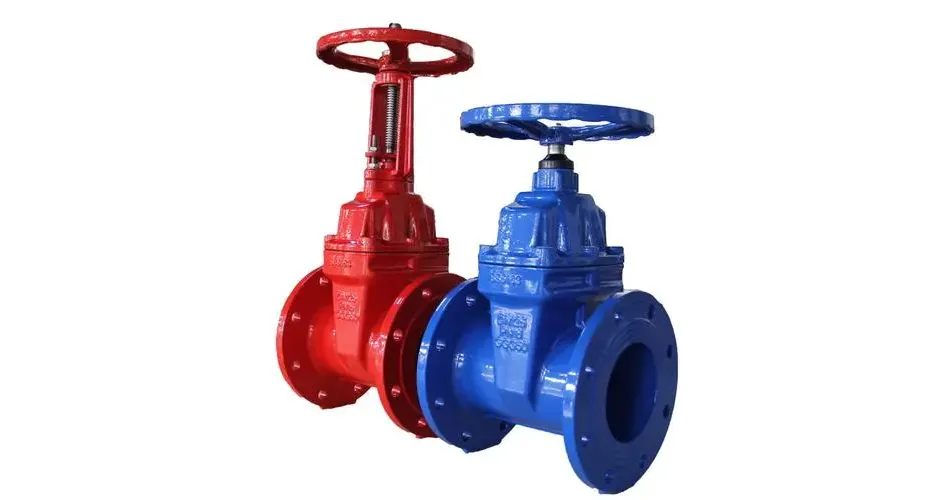
Understanding the Pricing of 16% Gate Valves Gate valves are crucial components in various piping systems, functioning primarily as on-off control devices. They are particularly favored for their ability to provide a straight-line flow of fluid and minimal pressure drop. One specific type, the 16% gate valve, is designed to handle certain applications where specific performance characteristics are required. Understanding the pricing of these valves involves a multitude of factors, including material composition, size, manufacturer, and market demand. Material Composition The material from which a 16% gate valve is constructed significantly impacts its price. Common materials include cast iron, stainless steel, brass, and PVC, each offering different properties and price points. For instance, stainless steel gate valves tend to be priced higher due to their excellent corrosion resistance and durability, making them suitable for high-pressure applications. In contrast, cast iron valves might be more economical for simpler water or sewage applications. As such, material composition is one of the first considerations in determining the price of these valves. Size and Specifications Another critical factor affecting the price of a 16% gate valve is its size and specifications. Gate valves come in various diameters, and larger valves typically cost more due to the increased material requirements and complexity of manufacturing. Additionally, the pressure rating of a valve, which indicates its capacity to withstand internal pressure without failing, is also a determining factor. Higher pressure ratings may require more robust construction and thus raise the cost. Customers need to evaluate their specific needs—such as flow rate and pressure—when selecting the appropriate size and specification, as this will directly influence the valve's price. Manufacturer and Brand Reputation 16 gate valve price Brand reputation plays a significant role in the pricing of gate valves. Established manufacturers that have built a reputation for quality and reliability often price their products at a premium compared to lesser-known brands. This is because customers are willing to pay more for valves that are known to perform well and last longer, thereby reducing maintenance and replacement costs over time. Consequently, when considering the price of a 16% gate valve, it is prudent to consider the manufacturer's reputation as a reflection of quality. Market Demand and Competition Market demand and competition also heavily influence the pricing of gate valves. In times of high demand, prices may rise due to the principles of supply and demand. Conversely, when there is an oversupply of valves or a downturn in the construction industry, prices may stabilize or decrease. Seasonal fluctuations, industry trends, and regional market conditions can also impact pricing. For instance, if a specific type of project is prevalent in a region, such as pipeline installation or irrigation improvements, this could drive up demand for particular gate valves, leading to increased prices. Additional Costs and Considerations When assessing the price of a 16% gate valve, it is essential to consider additional costs that may be involved in the procurement process. These can include shipping and handling fees, taxes, and potential import duties, especially if sourcing valves from international manufacturers. Installation costs should also be factored in, as improperly installed valves can lead to leaks and system failures, necessitating further investment in repairs. Conclusion In conclusion, the pricing of 16% gate valves is influenced by a myriad of factors, including material composition, size, manufacturer reputation, market demand, and associated costs. For consumers and businesses alike, understanding these aspects is essential to make informed purchasing decisions that align with their operational needs and budget. As the valve market continues to evolve, staying updated on trends and innovations can also aid in securing the best possible deals while ensuring the selection of high-quality products. Ultimately, investing in a good gate valve can enhance system efficiency and longevity, proving a cost-effective decision in the long run.
about
led bathroom vanity mirror
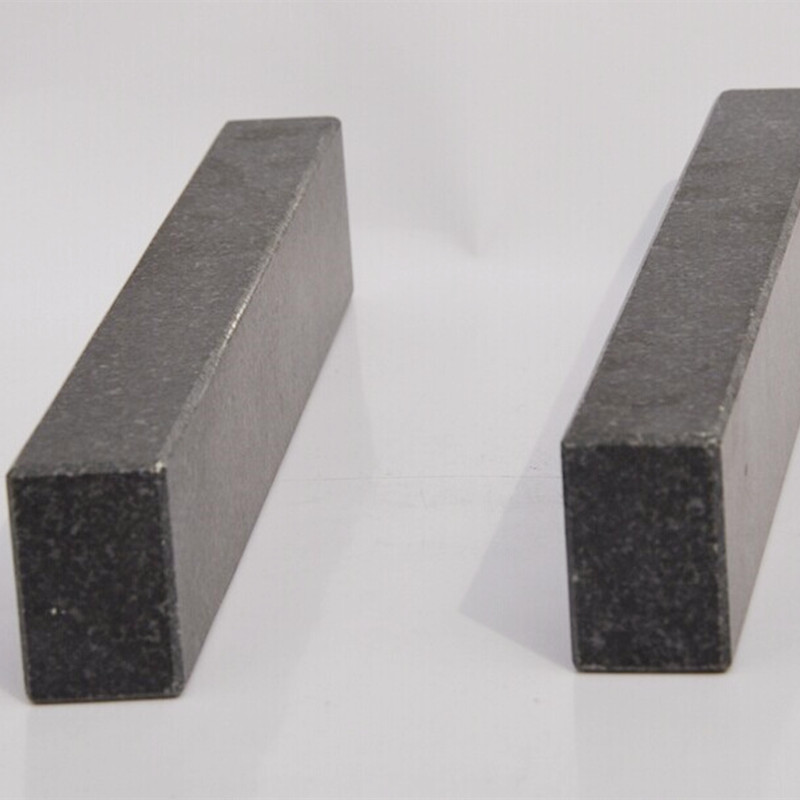
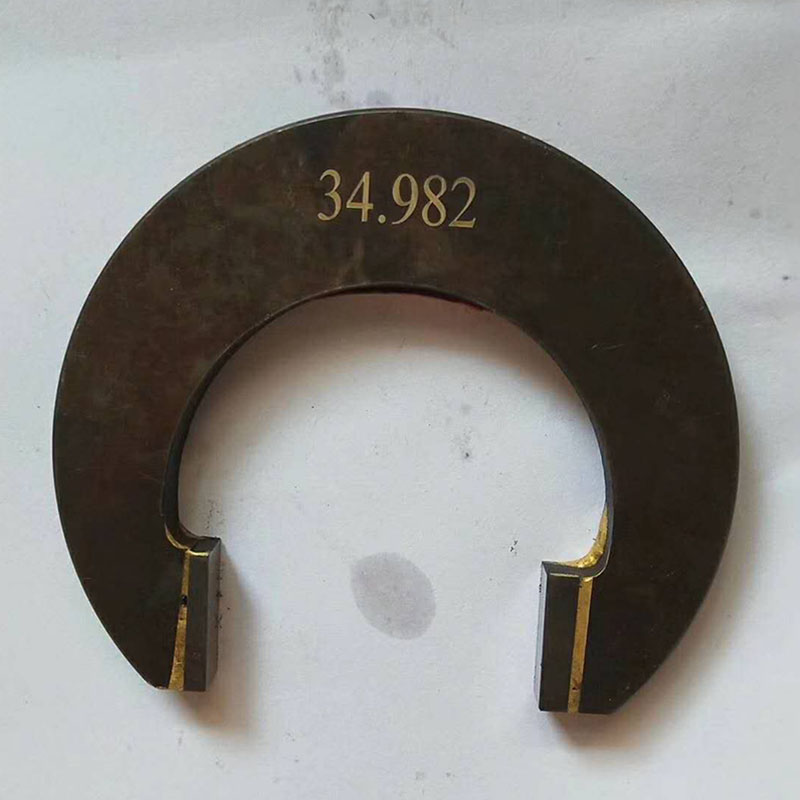
Different Measuring Tools A Comprehensive Overview Measuring tools are essential instruments that facilitate the quantification of various physical properties, and they span a wide range of applications across numerous fields such as construction, science, engineering, and daily life. This article aims to explore some of the different measuring tools, highlighting their functionalities and specifications. One of the most common measuring tools is the ruler, typically made from wood, metal, or plastic. Rulers are primarily used to measure length and can be marked in both imperial and metric units. For more precise measurements, craftsmen often use a caliper, which can measure both internal and external dimensions as well as depths. Calipers come in various forms, including vernier and digital, with digital calipers providing an easy-to-read display that enhances accuracy. Different Measuring Tools A Comprehensive Overview For measuring temperature, thermometers have long been a staple. Traditional mercury or alcohol thermometers have largely been replaced by digital thermometers, which deliver quick and accurate readings, making them popular in healthcare and culinary applications alike. different measuring tools In construction, measuring tape is indispensable for obtaining distances that exceed the length of a standard ruler. Measuring tapes are typically retractable, allowing for easy storage and transport, and they often come equipped with markings to measure feet and centimeters conveniently. Another vital measuring tool is the multimeter, which is used extensively in electrical engineering to measure voltage, current, and resistance. This tool is invaluable for troubleshooting and ensuring the correct functioning of electrical systems. Finally, specialized measuring tools such as the GPS receiver and laser distance measurer have revolutionized how we determine distances and locations with unmatched precision. GPS technology has transformed navigation, while laser distance measurers provide quick and accurate distances without the need for physical measuring tools. In conclusion, the variety of measuring tools available today caters to a wide range of needs across multiple industries. From simple rulers to advanced electronic devices, these tools not only enhance our understanding of the physical world but also contribute to efficiency and accuracy in various applications. As technology continues to advance, we can expect measuring tools to evolve, offering even greater precision and ease of use.
-

High quality industrial productsagement

High quality industrial products
View Details -

Meet the diverse needs of customers

Meet the diverse needs of customers
View Details -

Strict quality control

Strict quality control
View Details -

Top raw materials

Top raw materials
View Details -

Trusted supplier

Trusted supplier
View Details
Our application

news and information
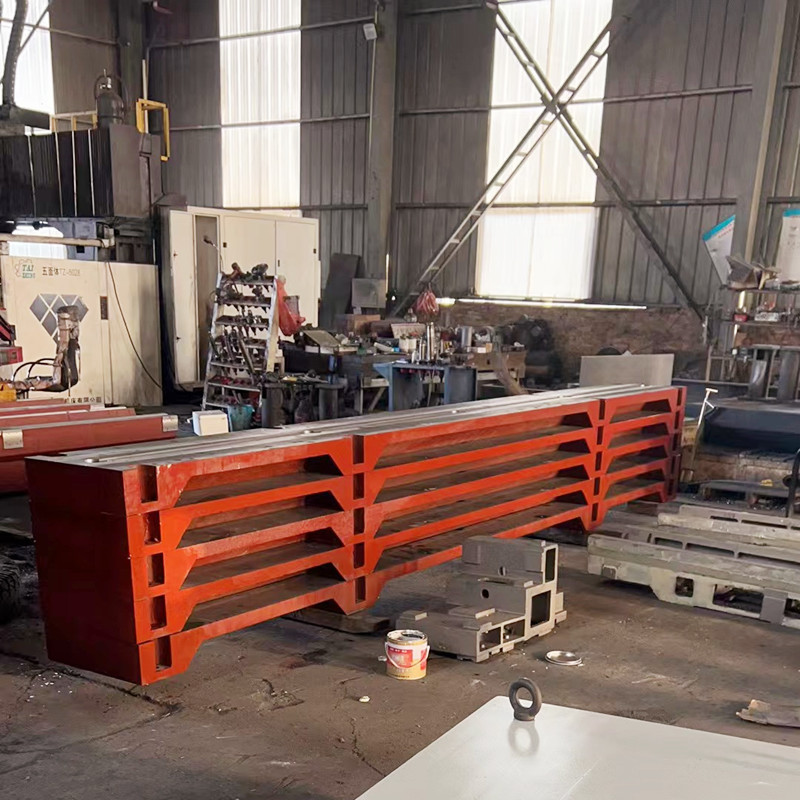
Water Control Valve for Efficient Shut-Off in Plumbing Systems
Understanding Water Shut Off Valves Importance and Functionality Water shut off valves are critical
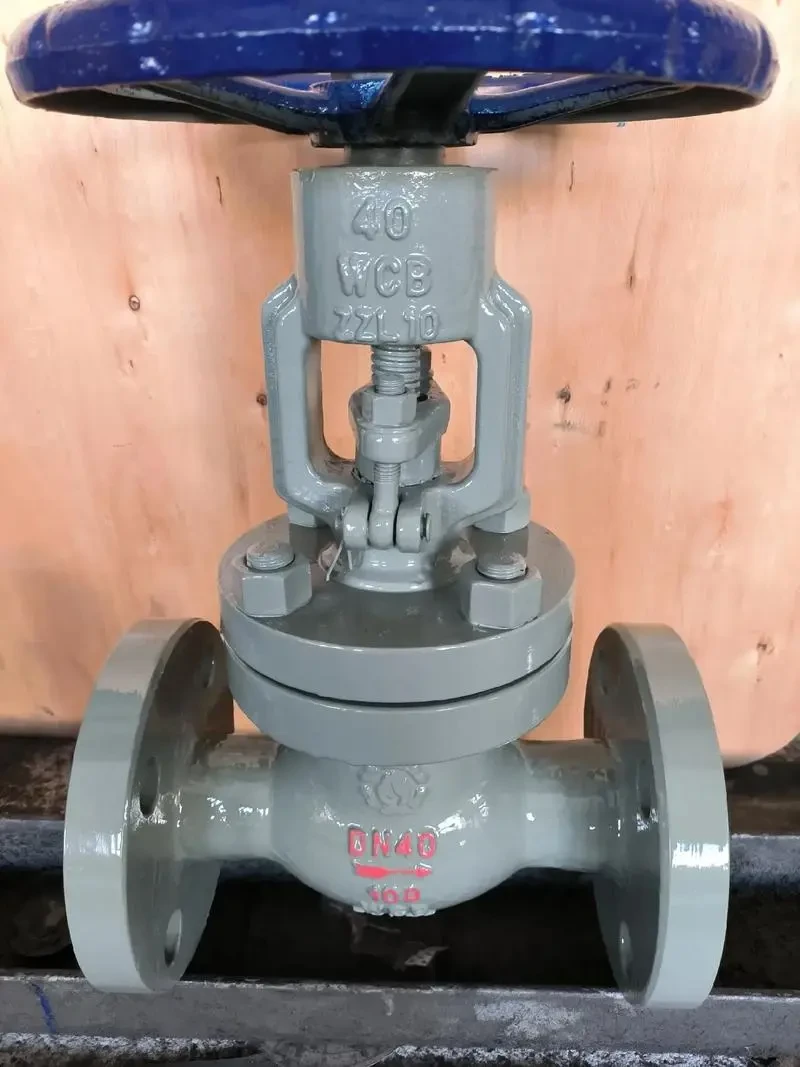
Various Types of Micrometers and Their Applications in Precision Measurement
Types of Micrometers A Comprehensive Guide Micrometers are precision measuring instruments commonly

Y Type Strainer with Integrated Drain Valve for Efficient Fluid Management
Understanding Y-Type Strainers with Drain Valves In various industrial applications, ensuring the in
 English